
✕
Ukrainian
Russian
Login for Teachers & Parents
Science classes
1st grade
2nd grade
3rd grade
4th grade
5th grade
6th grade
7th grade
8th grade
9th grade
10th grade
11th grade
12th grade
Science Enrichment
Young Naturalists
World of Animals
Survival Adventures
Science & Discovery
Microbiology-I
Microbiology-II
IBO
Microbiology
Cell Biology
Evolution
Biochemistry
Anatomy and Physiology
Plants and Fungi
Zoology
Statistics
Teaching Resources
Data Analysis
Games
Identification Keys
Menu
2nd grade
Science classes
1st grade
Life Cycle of an Oak Tree
Fruit or Vegetable?
Grandma Was Little Once
Mishmash
Forest Treasures
2nd grade
Alphabet Origins
Day and Night
Seasons of the Year
Wild vs Domestic Animals
3rd grade
Forest Ecosystem
4th grade
Backyard Wildlife
The Life of a Frog
5th grade
Mythical Creatures
Forest Virtual Field Trip
Temperate Forest Survival Quest
Tundra Survival Quest
Equator Survival Quest
Home and Outdoor Safety
Animal and Human Body Language
Pet Care
Multiple Intelligences in Animals
Animal Classification
Vertebrates
Reptile Detective
Mammal Detective
Animal Tracking
6th grade
Arthropod Detective
Who Lives in the Microworld
How to Use a Light Microscope
Microbial Art
Microscopes: Types, Uses & Images
Who First Saw Microbes
Is Spontaneous Generation Possible?
Louis Pasteur
Oral Microbiome
Gut Microbiome
Algae
The Cell Theory
Water Cycle
Rocks and Minerals
How to Survive on a Deserted Island
Steppe Survival Expedition
Think Like a Scientist
7th grade
A Butterfly Effect in the Biosphere
Earth & Cosmology
Evolution of Life on Earth
Ice Age Expedition
Human Evolution
Polar Regions Expedition
Desert Survival Quest
Urban Wildlife
Biodiversity & Conservation
Ecosystem Health Detective
Symbiosis
Lichens
8th grade
The Big Bang Theory
Bacteria Shapes & Structures
The Structure of Prokaryotic Cells
Microbial Ecology
Levels of Organization
Pros and Cons of Zoos
Physics Detective
Watch Out, Microbes!
The Science of Thinking: 17 Tools You Should Know
9th grade
Origin of Life
Human Microbiome
What Is Immunity?
Photosynthetic Prokaryotes
Careers That Use a Microscope
10th grade
Viruses
What Is Fungi? Types and Classification
Protists Classification
Biogeochemical Cycles
Systematics of Prokaryotes
Bacterial Genome
Bacterial Growth & Reproduction
Microbial Survival Strategies
11th grade
Endosymbiotic Theory
Parts of Flowering Plants
12th grade
Evolutionary Evidence Lab
Cellular Energetics
AP Biology Data Analysis
Science Enrichment
Young Naturalists
Alphabet Origins
Mishmash
Grandma Was Little Once
Wild vs Domestic Animals
Forest Treasures
Day and Night
Fruit or Vegetable?
Life Cycle of an Oak Tree
Seasons
Forest Ecosystem
Backyard Wildlife
The Life of a Frog
World of Animals
Understanding Animal Behavior
Urban Wildlife
Pet Care
Pros and Cons of Zoos
Animal Tracking
How Smart Animals Are
Animal Classification
Vertebrates
Reptile Detective
Mammal Detective
Introduction to Entomology
Evolutionary Evidence Lab
Ice Age Expedition
Human Evolution
Forest Virtual Field Trip
Survival Adventures
How to Survive on a Deserted Island
Temperate Forest Survival Quest
Equator Survival Quest
Polar Regions Expedition
Tundra Survival Quest
Steppe Survival Quest
Desert Survival Quest
Science & Discovery
The Origin of the Universe
Earth and Cosmology
Evolution of Life on Earth
Mythical Creatures
Cryptozoology: Monsters, Mysteries & Evidence
Think Like a Scientist
A Butterfly Effect in the Biosphere
Biodiversity & Conservation
Ecosystem Health Detective
Home and Outdoor Safety
Levels of Organization
Parts of Flowering Plants
Rocks and Minerals
Physics Detective
Water Cycle
The Science of Thinking: 17 Tools You Should Know
Microbiology-I
Who Lives in the Microworld
How to Use a Microscope
How Microscopes Work
Spontaneous Generation: Can Life Appear from Nothing?
Who First Saw Microbes
Microbial Art
Louis Pasteur: Microbiology Pioneer
Microscope Staining & Thin Section Preparation
The Cell Theory
Human Microbiome
The Structure of Prokaryotic Cells
How the Immune System Works
Watch Out, Microbes!
Microbiology-II
Prokaryote Classification: Bacteria & Archaea
Bacterial Shapes & Cell Structure
Bacterial Growth & Reproduction
Bacterial Genetics: Genome, Plasmids & Gene Transfer
Bacterial Metabolism: Photosynthesis, Respiration & Fermentation
Microbial Ecology: Habitats, Niches & Extremophiles
Microbial Survival Strategies
Oral Microbiome
Gut Microbiome
Photosynthetic Bacteria & Cyanobacteria
The Origin of Life
Endosymbiotic Theory: Origin of Mitochondria & Chloroplasts
Microbial Symbiosis
Lichens: A Microbial Partnership
Algae Under a Microscope
What Is Fungi? Types and Classification
Protists Classification
Viruses: Structure, Replication & the Question of Life
Biogeochemical Cycles: Nitrogen, Sulfur & Phosphorus
Microscope Careers: Biology, Medicine, Forensics & More
IBO
Microbiology
Who Lives in the Microworld
Algae
Viruses
Protozoa
Microbial Survival Strategies
Cell Biology
The Cell Theory
The Structure of Prokaryotic Cells
Evolution
The Origin of Life
Evolution of Life on Earth
Ice Ages: Climate, Glaciers, and Megafauna
The Dawn of Humanity
Symbiosis
Symbiogenesis
Evolutionary Evidence Lab
Biochemistry
Cellular Energetics
Anatomy and Physiology
What Is Immunity?
Plants and Fungi
The Parts of a Plant
Fungal Diversity
Zoology
Entomology
Statistics
AP Biology Data Analysis
Teaching Resources
Data Analysis
Statistical Data Analysis
Games
Watch Out, Microbes!
Identification Keys
Lichens Identification Key
Microscopic Algae Identification Key
Temperate Forest Plant Identification Key
Alphabet Origins
15-Jun-2026
Day and Night
19-Aug-2026
Seasons of the Year
26-May-2026
Wild vs Domestic Animals
24-Jun-2026
2nd grade
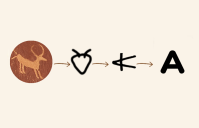
Alphabet Origins
Activities:
Explore how people used pictures and symbols before alphabets
Match modern letters with their early picture and symbol forms
Recognize letter-shaped patterns in nature and illustrations
Sort illustrated words by their initial letter
Create a simple picture-based story using symbols and images
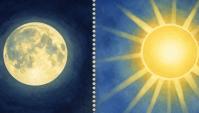
Day and Night
Activities:
Observe a time-lapse sky scene to identify day and night patterns
Discover why day and night occur through a visual Earth–Sun model
Sort images into day or night using environmental clues
Classify animals as diurnal or nocturnal based on behavioral clues
Identify traits that help animals function in low-light conditions
Explore cave organisms and examine how permanent darkness affects body features
Seasons of the Year
Activities:
Researching the reasons why spring, summer, winter, and autumn follow each other
Choosing symbolic icons of the seasons for nature photographs
Selecting appropriate photographs for spring, summer, autumn, and winter to create a mini film about the changing seasons
"Find the mistake" searching for natural objects that do not appear in spring,
summer, autumn, or winter
Drawing season symbols
Wild vs Domestic Animals
Activities:
Listen to a short story about early people and wolves
Identify which wild animals were domesticated by humans
Sort wild and domestic animals
Match animals with the homes and care they need
Learn what different animals gave people in return, such as milk, wool, eggs, honey, protection, and help with work
Listen to real animal sounds and match each sound to the correct animal
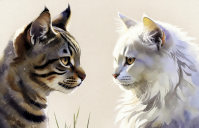
Compare wild animals with their domestic forms
Notice how domesticated animals changed over time
Explore why many domestic animals became white or look very different from their wild ancestors
Place ancient rock drawings on a simple domestication timeline
Practice visual observation, listening, matching, sorting, and early science reasoning